Dear Colleagues, Welcome to the September newsletter of the EGU Hydrological Sciences Division! This month we share latest HS division campfire event, call for EGU27 session proposals, opportunities to join the EGU Outreach Committee, and upcoming workshops on science-policy engagement and science communication. We also feature the latest news and perspectives from the HS Division. Have an excellent September! Alberto Viglione, Division President Archita Bhattacharyya & Annegret Roessler, ECS Reps |
|
Highlights and Upcoming Deadlines
|
|
|
HS CAMPFIRE – HYDROINFORMATICS
|
Join the HS Early Career Scientists team for a Campfire on 1 October 2026 at 16:00 CEST, exploring the intersection of hydrology, data science, artificial intelligence and computational modelling. Three researchers will share their work, followed by Q&A and an open discussion. Registration is required. |
|
|
|
|
PROPOSE YOUR SESSION FOR EGU27
|
The call for session proposals for EGU27 is now open. The General Assembly will take place in Vienna and online from 4–9 April 2027. Participants are invited to propose scientific sessions, deadline for proposals is 23 September 2026. |
|
|
|
|
IAHS COCREATE WATER CONFERENCE
|
The CoCreate Water Conference of the International Association of Hydrological Sciences is coming up from 9-11 November. Registrations are open now and it's fully hybrid, so anyone can attend online. Registration fees are very reasonable (especially online) and fee waivers/discounts are available for early career scientists and colleagues from financially disadvantaged countries. |
|
|
|
|
APPLY TO JOIN THE EGU OUTREACH COMMITTEE
|
The EGU Outreach Committee is seeking new members to help develop public engagement, science communication and outreach activities. Applications are welcome from within and outside Europe, with particular encouragement for applicants from EU-13 countries. Applications, including a CV and motivation letter, are due by 28 September 2026. |
|
|
|
|
SCIENCE FOR POLICY WORKSHOP
|
The third session of EGU’s Science for Policy workshop series will take place on 23 September 2026 at 11:00 CEST. The session will focus on writing effective policy briefs and developing practical skills for communicating scientific knowledge to policymakers. The workshop is free and open to EGU members. |
|
|
|
|
COMMUNICATING SCIENCE THROUGH GRAPHICS WORKSHOP
|
This four-part workshop series explores how effective scientific graphics can improve understanding rather than simply look attractive. Sessions will cover seeing, choosing, making and testing visualisations, running from 7–28 October 2026. Places are limited to 30 EGU members, so early registration is recommended. |
|
|
|
|
IAHS ACADEMY 2027
|
The IAHS Academy 2027 (11–17 January 2027) will bring together early-career researchers and established hydrologists for a programme focused on knowledge exchange, collaboration and professional development. This will be hosted at Eastern Institute of Technology, Ningbo (EIT). Application deadline is 30 September 2026. |
|
|
|
Updates from the HS Division
|
|
|
HAS GROUNDWATER FINALLY GONE MAINSTREAM?
|
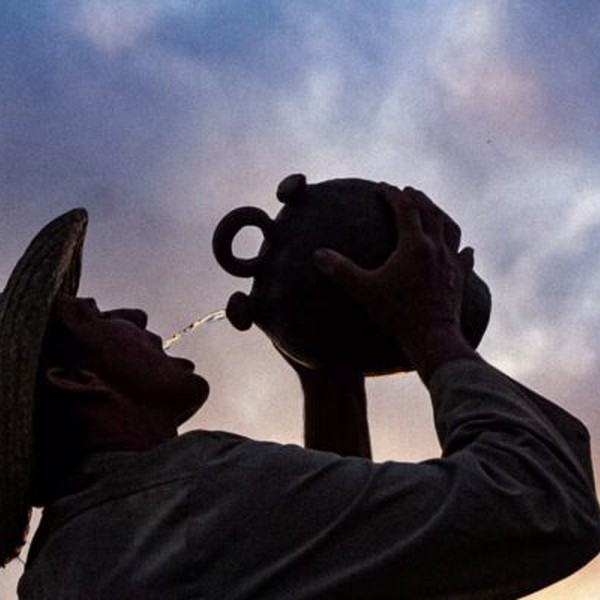
Has groundwater finally escaped the hydrogeology bubble? This thought-provoking post considers whether groundwater is becoming more visible in public culture. It reflects on science communication and asks how we might recognise whether efforts to raise public awareness are making a difference. |
|
|
|
|
DROUGHT IN EUROPE
|
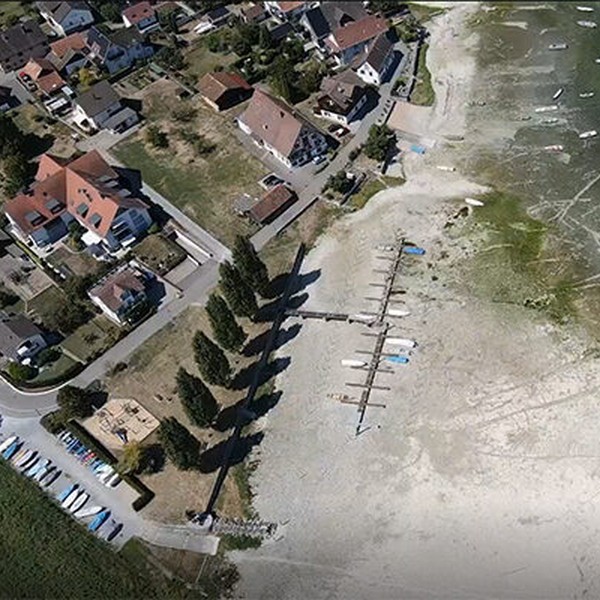
Europe is experiencing a prolonged drought, with record heat, low river flows, stressed ecosystems and pressure on water supplies. This post examines the situation in Switzerland, where reduced snow accumulation, early melt, persistent heat and limited groundwater recharge have combined to place multiple water-storage buffers under pressure. |
|
|
|
|
SUMMARY OF THE NEPAL FLASH FLOOD
|
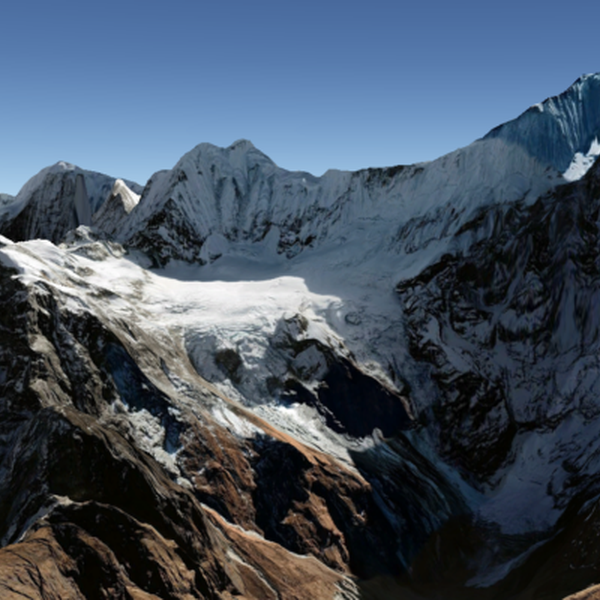
This post provides an early scientific overview of the devastating 26 August 2026 Himalayan flash flood. It examines the glacier collapse and landslide that triggered the event, its far-reaching impacts across Nepal and Tibet and the ongoing challenges for affected communities.. |
|
|
|
|
EDNA4HYDROLOGY
|
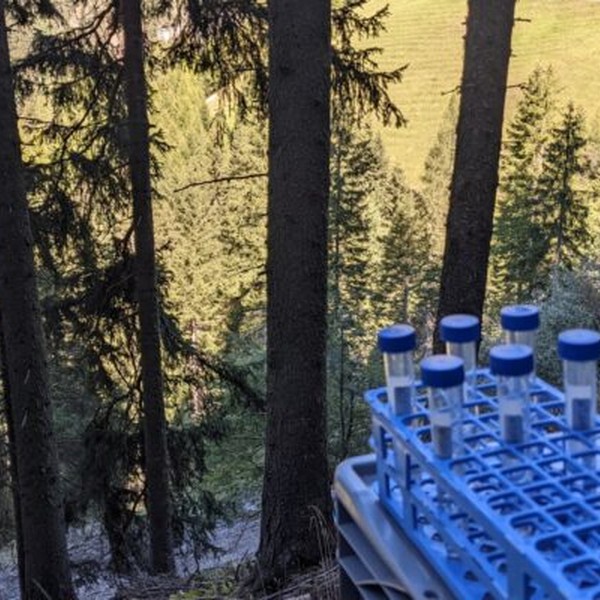
Could environmental DNA provide new insights into how water moves through landscapes? This post introduces the eDNA4Hydro network, which brings together hydrologists, geoscientists and biologists to explore how genetic traces in water and sediments can reveal flow pathways, hydrological connectivity, ecosystem interactions and environmental change. |
|
|
|
|
©2026 European Geosciences Union.
All rights reserved.
|
|
Our mailing address is:
EGU - European Geosciences Union e.V.
Kastenbauerstr. 2
81677 Munich, Germany
|
|
|
|
|