|
JUMP INTO SCIENCE FOR POLICY AT EGU26!
|
|
|
|
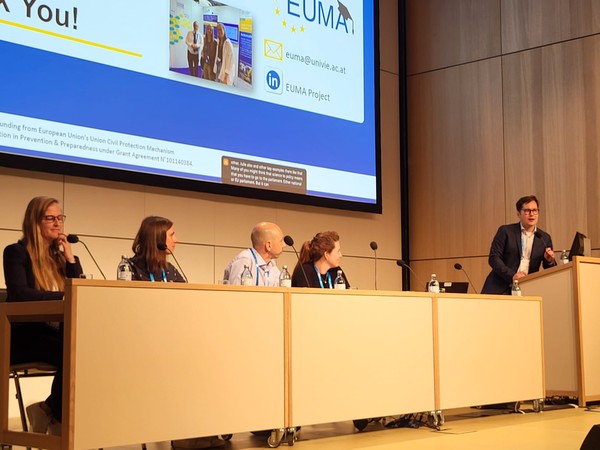
Great debate “Bridging Policy and Science for EU Disaster Preparedness”, EGU25 |
Each year, the EGU’s Science for Policy Programme at the General Assembly offers participants insights into how their expertise can be brought into the policymaking process and the opportunities that exist for them at the science-policy interface. The range of sessions showcasing the many ways scientists can get involved continues to expand year by year! This month’s GeoPolicy blog post highlights some of the EGU26’s most exciting #Science4Policy sessions and initiatives that you can engage with during the week. If you are interested in policy and sharing your expertise more widely, be sure to include some policy-focused sessions in your personal programme. |
|
|
HAVE YOUR SCIENCE FOR POLICY QUESTIONS ANSWERED AT EGU26!
|
|
EGU26 participants will have the opportunity to have their questions answered by policymakers and experts working on the science-policy interface, through 1-on-1 and small group meetings. Meetings will be available both on-site (in Vienna) and virtually at the General Assembly but places are limited. To secure a meeting with one of the science for policy practitioners, please submit your question(s) or topic that you would like to talk about by midnight on 20 April 2026. Read more and ask your questions here! |
|
|
SUBMIT YOUR NOMINATIONS FOR EGU'S SCIENCE FOR POLICY AWARD
|
|
|
|
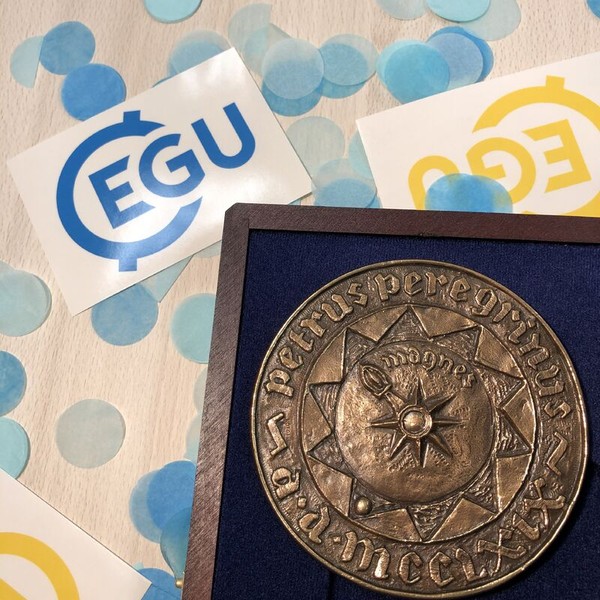
Each year, the EGU Science for Policy Award recognises researchers, knowledge brokers, and policymakers who have strengthened the European science-policy interface or significantly contributed to the integration of scientific evidence into the European policymaking processes.
This award is a great opportunity to acknowledge the work that you, your team, or a colleague has undertaken on the science-policy interface. Both individuals and teams can be nominated, and while their science for policy achievements should be focused within Europe, the candidate(s) can be resident outside Europe, and/or non-European citizens. Read more and submit your nominations here by 15 June 2026.
You can also join the winners of the 2025 EGU Science for Policy Award at EGU26. Linda Lammensalo will present on behalf of the Finnish Academy of Science and Letters at 19:00 on Monday, 3 May, sharing concrete methods and tools that they've used to have policy impact. |
|
|
RESPONSE TO THE NEW EUROPEAN CLIMATE RESILIENCE FRAMEWORK
|
|
|
|
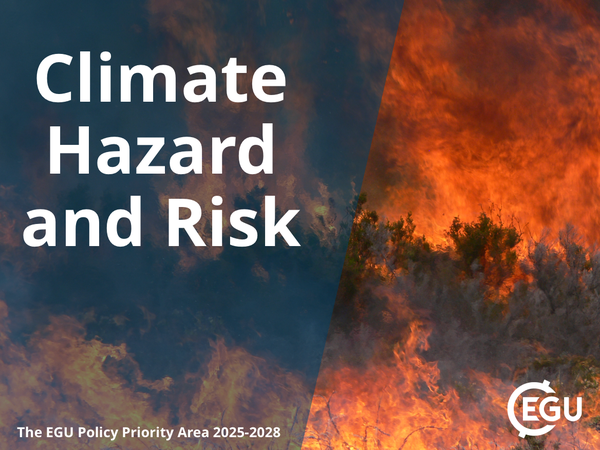
The EGU Climate Hazard and Risk Task Force has recently submitted a response to the EU Commission Consultation on the new Integrated Framework for European Climate Resilience and Risk Management. The Framework is expected to be adopted in the second half of 2026. A recent GeoPolicy blog post summarises the Task Force's response, featuring key recommendations across five themes. The recommendations include the importance of embedding climate resilience by design, establishing a common legislative framework, developing decision-relevant climate risk tools, adopting a people-centric approach, and strengthening financial mechanisms. You can read the blog post here, and the full response is available here. |
|
|
APPLY FOR THE SCIENTIFIC TRAINEESHIPS AT THE JOINT RESEARCH CENTER
|
|
As the science and knowledge service of the European Commission, the Joint Research Centre (JRC) is a key institution providing independent, evidence-based knowledge and science, supporting EU policies to positively impact society. JRC currently has an open call for the October 2026 cohort of its Scientific Traineeships Programme. The vacancy encompasses eleven thematic areas, including agriculture and food security, industry and space, energy, natural resources, mobility, environment and climate change. The applicants must have been awarded their last university degree no more than five years ago; or be currently enrolled in a Master's degree or PhD programme. If you are an early-career scientist, the JRC traineeship programme is a great opportunity to acquire practical skills in an interdisciplinary environment and develop a network that would help build your career! Learn more here and apply by 12 May 2026, 15:00 (CEST). |
|
|
©2026 European Geosciences Union.
All rights reserved.
|
|
Our mailing address is:
EGU - European Geosciences Union e.V.
Kastenbauerstr. 2
81677 Munich, Germany
|
|
|
|
Banner image credit: European Union 2015 – European Parliament via Flickr
|
|
|