


EGU logo

European Geosciences Union

www.egu.eu

EGU

News


Help get your science into policy by becoming a Division Policy Officer!
  • 12 March 2026

Did you know you volunteer at the science-policy interface with EGU?! Several EGU divisions are currently seeking a Division Policy Officer, a voluntary position that aims to promote evidence-informed policymaking and support members of the Division in engaging with policymaking processes. Find out more and get involved today!


Job alert! Executive Assistant
  • 25 February 2026

The European Geosciences Union (EGU) is seeking to appoint an Executive Assistant to support the EGU Executive Director. Applications will be assessed from 12:00 CET on the 23 March.


Latest posts from EGU blogs

GeoPolicy: Response to the new European climate resilience framework

Climate change is having a profound impact on the planet. According to several reports, 2023 was the warmest year on record, with the global average temperature over the 12-month period from February 2023 to January 2024 exceeding the 1.5 °C threshold above pre-industrial levels. Climate change acts as a risk multiplier, as its impacts transcend national borders and amplify existing threats and crises. Climate-related hazards can trigger cascading and systemic disruptions across interconnected systems, affecting entire societies and disproportionately impacting …


Doing flood frequency hydrology in a non-stationary climate

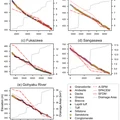
A robust estimation of probabilities of extreme floods is the Holy Grail in flood hydrology in view of limited available observations, variability of climate, and complexity of flood generation processes in catchments. Flood frequency hydrology, spearheaded in the past decades by Ralf Merz and Günter Blöschl, offers a powerful toolbox to enhance the reliability of flood probability estimates by considering past historical floods (temporal information expansion), learning from similar neighbouring catchments that have longer observational records (spatial information expansion), and …


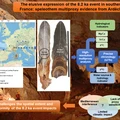
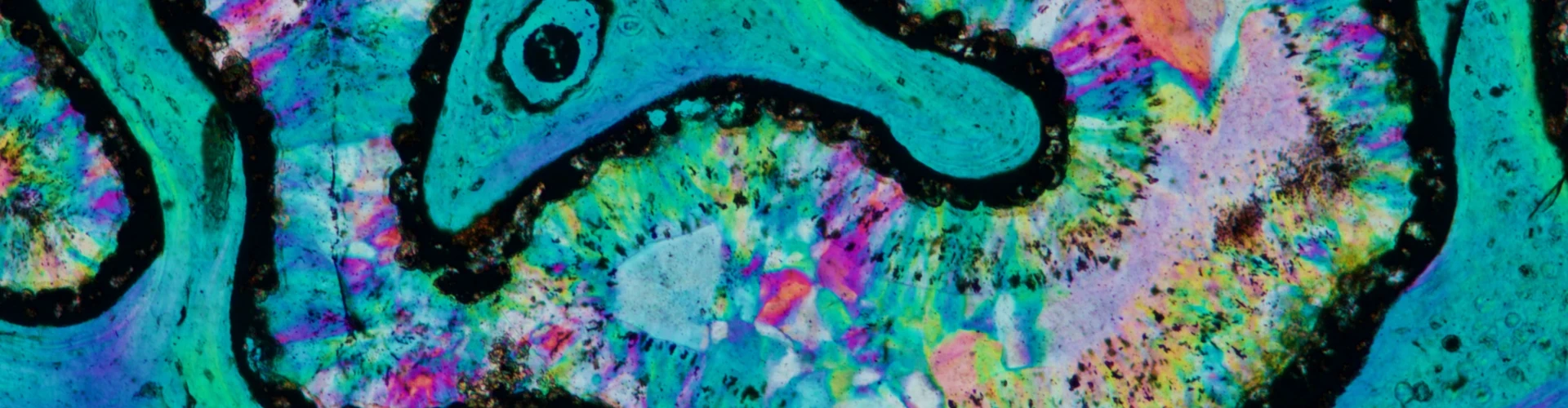
When a major climate event goes almost unnoticed: the elusive 8.2 ka signal in southern France stalagmites

Around 8,200 years ago, the climate of the Northern Hemisphere experienced an abrupt disturbance. In Greenland ice cores, the signal is unmistakable: a rapid drop in temperatures, followed by a gradual return to previous conditions. This episode, which lasted about 150 years, is known as the 8.2 ka event (“ka” meaning thousand years before 1950). It is often described as the most prominent climate perturbation of the Holocene (the last ~11,700 years). The widely accepted explanation involves a massive release …